
Commission to study how the US could go about making a Cyber Force
The Commission on Cyber Force Generation said it will not have a hand in evaluating if the DoD needs a Cyber Force, but rather how to implement one if that decision is ever made.
The Commission on Cyber Force Generation said it will not have a hand in evaluating if the DoD needs a Cyber Force, but rather how to implement one if that decision is ever made.

“We’ve got too much infrastructure, and oh, by the way, Congress passed a law that said they're going to expect us to pay double for that excess infrastructure that we don't want. We’ve got to fight that,” said Gen. David Allvin.


The initial command and control gateway to earn a continuous Authority to Operate is changing multi-domain operations.

2025 may be a telling year for the fate of the Pentagon's new CMMC 2.0 program.

The NDAA corresponds to a $895 billion topline for defense spending, adhering to the budgetary limits set in last year’s Fiscal Responsibility Act.

Democrats were infuriated by a last minute addition of language by House Speaker Mike Johnson that would ban Tricare from covering gender dysphoria treatments “that could result in sterilization” for transgender children of servicemembers.

The compromise version of the fiscal 2025 National Defense Authorization Act, released on Saturday, includes several provisions aimed at improving the US military’s response to potential drone threats to its installations, including the creation of a counter-drone strategy.
Michigan’s defense ecosystem and expertise makes it a special asset for production.
The NDAA is too long. Here's some key highlights you should know.

In his first term, President Donald Trump took a big swing and established the Space Force; two House members told Breaking Defense he could do it again, for cyberspace.
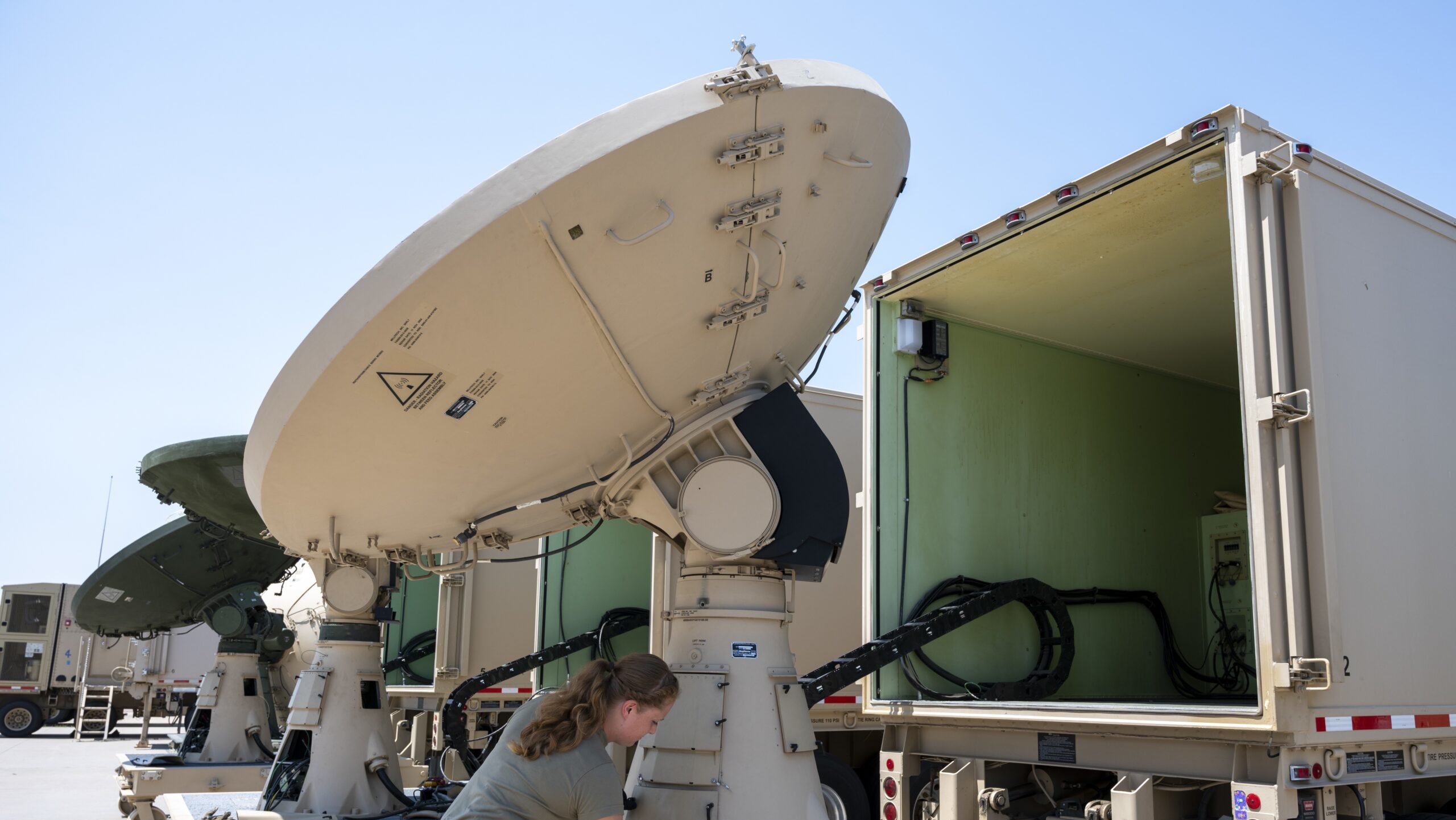
In a March 2021 report to Congress, signed by then-Acting Secretary John Roth and obtained by Breaking Defense, the Air Force endorsed a Space National Guard, but subsequently changed its position.

"Adding a second submarine would require the Department to reduce the Next Generation Fighter program by $400 million, making the fighter program unexecutable and degrading the Navy's ability to field next generation aircraft capabilities required in the 2033 to 2037 timeframe,” Defense Secretary Lloyd Austin said.


Consolidate network monitoring, performance management, and fault isolation into a single, comprehensive solution.

“I'd like to see in a Harris administration, a commitment to the innovation reform agenda at DoD,” said HASC Ranking Member Rep. Adam Smith. “That really has, I think, stalled a little bit."

Feeling lost on defense budget matters after the August legislative recess? Breaking Defense has a primer for you.

The language in the SASC version of FY25 NDAA demands that DoD detail what military systems have previously and currently have operated in, or in those adjacent to, "the 1525-1559 megahertz and the 1626.5-1660.5 megahertz" radio frequency bands at the center of the long-running DoD-Ligado dispute.

Many pro-defense Democrats voted against the traditionally bipartisan NDAA, after Republicans added conservative social riders to the bill.